

Vascular migraine is a term historically used to describe migraine headaches thought to be related to changes in brain blood vessels. Today, migraine is understood as a neurovascular disorder, meaning it involves both nerve activity and blood vessel changes.
🔎 Common Features:
Recurrent throbbing headache (often one-sided)
Nausea or vomiting
Sensitivity to light and sound
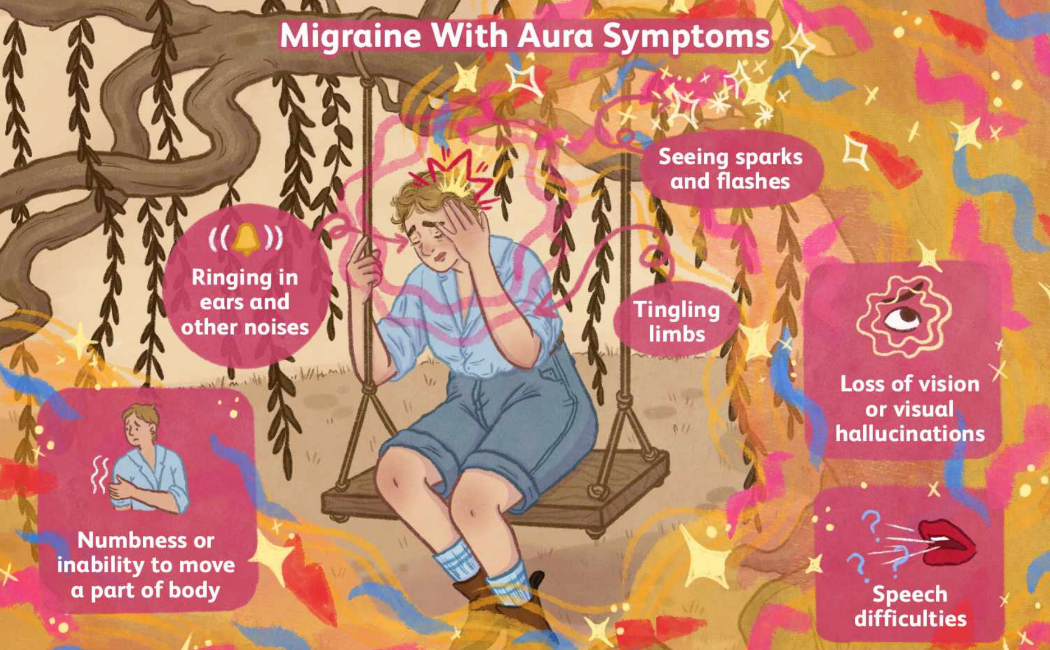
Visual aura (flashing lights, zig-zag lines, blind spots)
⚠ Why It Happens:
Migraine involves abnormal activation of the trigeminovascular system, leading to inflammation and temporary changes in cerebral blood vessel diameter.
Endovascular Management in Selected Vascular Causes
⚠ Important Note:
Typical migraine headaches are treated medically (lifestyle changes, preventive medications, and acute therapy).
Endovascular treatment is NOT used for routine migraine.
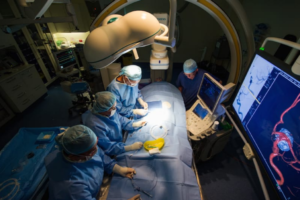
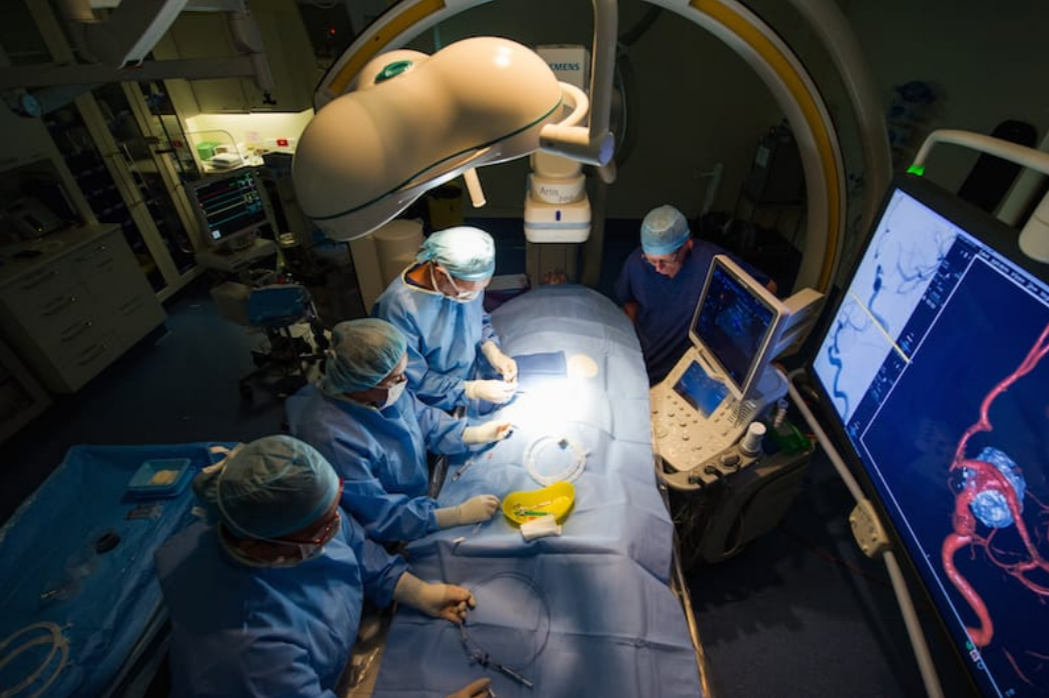
However, in rare situations where headache symptoms are caused by an underlying vascular abnormality, endovascular treatment may be considered. Examples include:
🔹 Dural Arteriovenous Fistula (DAVF)
Abnormal connection between arteries and veins in the brain lining — treated by embolization.
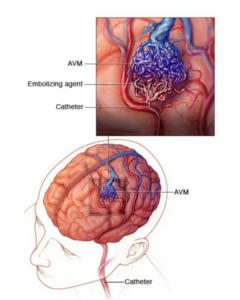
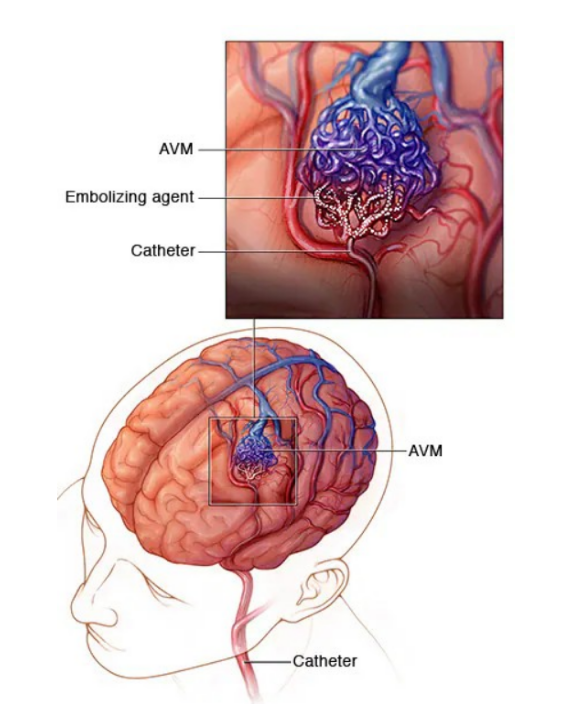
🔹 Brain Arteriovenous Malformation (AVM)
Abnormal tangle of vessels — managed with embolization as part of treatment.
🔹 Severe Venous Sinus Stenosis (selected cases) May be treated with venous sinus stenting in carefully evaluated patients.
🎯 Key Message:
Most migraines are benign and managed medically.
If headaches are severe, atypical, progressive, or associated with neurological deficits, detailed imaging (MRI/angiography) is essential to rule out structural vascular causes.